
saas · 6 min read
Voice AI for SaaS: Answer Sales Questions Live, 24/7
B2B buyers ask pricing, integrations, and trial questions on your site at every hour. Voice AI answers them in real time. How it works on Next.js / Astro / classic stacks.
Published April 26, 2026
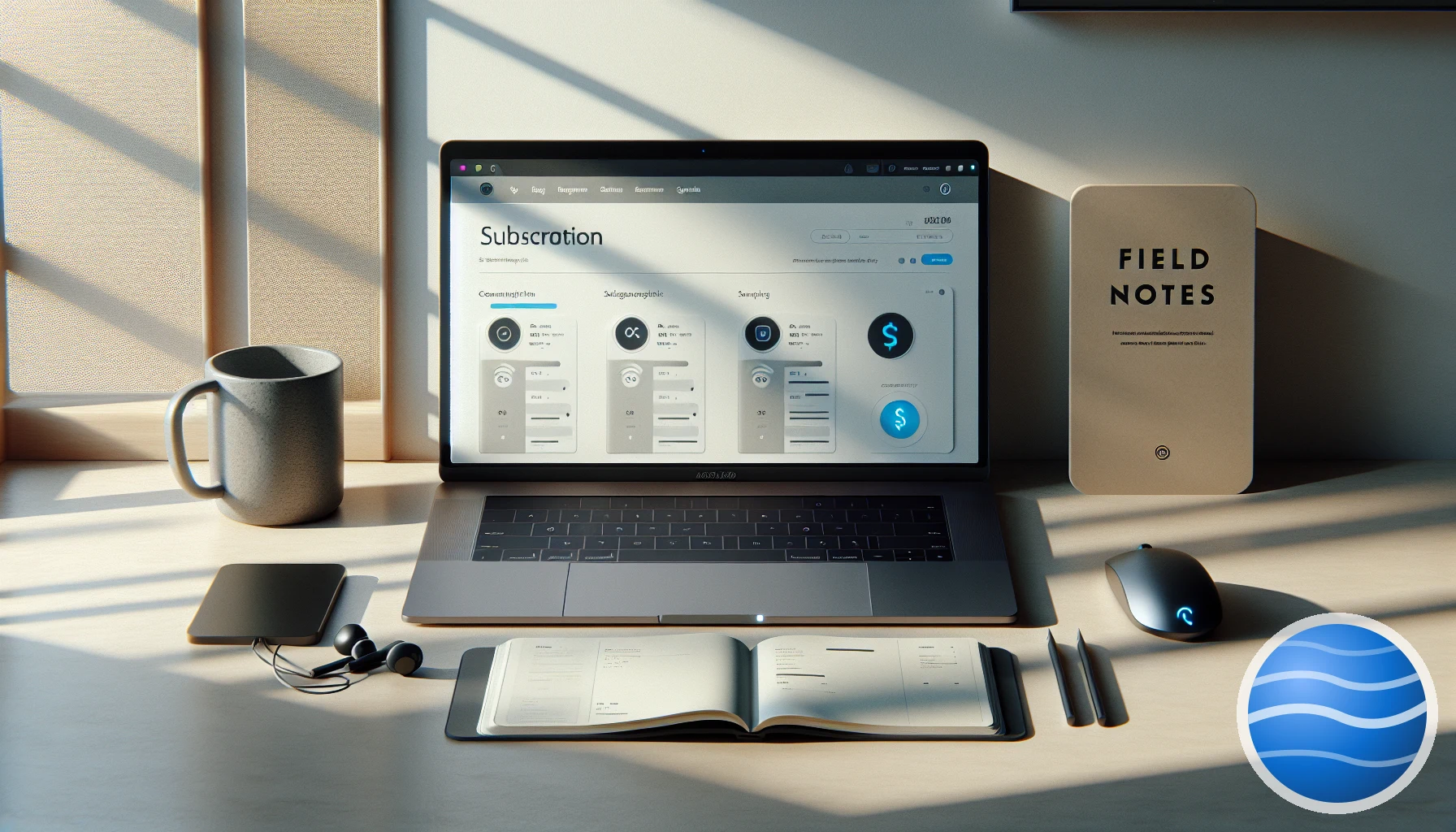
You're on a SaaS pricing page at 2 AM. You see the Pro plan, the Enterprise plan, the annual discount. You have one question: does the Pro plan include single sign-on, or do I need Enterprise? There's no live chat. No one's awake. So you close the tab and move to the competitor's site.
That conversation, the one that happens between "I'm interested" and "let me talk to sales", is where most SaaS leads die. Voice AI for SaaS websites fills that gap. Visitors talk. The page listens. Questions get answered in real time. No forms. No wait times. No friction.
This post walks through why voice works for B2B SaaS, which questions your website should answer via voice, and how to add it in minutes.
Voice AI for SaaS Websites: What B2B Buyers Actually Ask
The best SaaS websites have three things: clear pricing, a free trial, and a way to ask questions without committing to a sales call. Voice AI handles that third layer: the lightweight Q&A that sits between self-serve and sales. Coverage at SaaStr consistently shows the gap between "interested" and "demo booked" is where pipeline leaks.
A typical SaaS buyer's voice questions:
- "Does the Pro plan come with API access?"
- "Can I integrate this with our Slack workspace?"
- "What's the difference between the Pro and Business tiers?"
- "Is there a free trial, and how long does it last?"
- "Can this connect to our existing data warehouse?"
None of these require 30 minutes with a sales rep. All of them can end a browsing session if left unanswered. Voice answers them instantly.
Does Voice AI Actually Work on B2B SaaS Websites?
Yes. B2B buyers, even serious, buttoned-up enterprise engineers, use voice when it's frictionless. The barrier is perceived awkwardness, not actual user resistance. When a visitor on your pricing page can click a button, talk naturally, and get an answer without typing or waiting, adoption compounds. It's the same principle that made Siri work on iPhones: voice isn't a gimmick if it saves time and works reliably. Investor coverage at a16z has been tracking the shift toward voice-first SaaS UX for the past two years.
The Five Questions Every SaaS Website Gets (But Doesn't Answer)
1. Pricing and Plan Comparison
"Which plan is right for a 50-person company?" "What's included in the mid-tier, and what's add-ons?" Voice AI can walk a visitor through plan logic, compare tiers, and explain per-seat pricing, with no form submission required.
2. Feature and Integration Questions
"Does this integrate with Salesforce?" "Can I export data as CSV?" These are make-or-break questions. If the answer lives in FAQ text, half your visitors won't find it. Voice ensures the answer surfaces instantly.
3. Security, Compliance, and Data Handling
"Are you SOC 2 certified?" "Where do you store customer data?" Enterprise buyers ask this. They also rarely fill out contact forms just to ask it. Voice AI can surface your security docs and certifications without a sales touch.
4. Trial and Onboarding Mechanics
"How long is the free trial?" "Do you need a credit card to start?" "Can I migrate my existing workspace into your system?" High-intent visitors ask this at midnight. Voice AI answers it at midnight.
5. Demo and Sales Process
"Can I see this in action?" "How long is a typical demo call?" "Do you have case studies for companies like ours?" Voice can qualify intent, book a demo directly into your calendar, and pull relevant case studies, all without human intervention.
Can Voice AI Replace Live Chat for B2B SaaS?
No, and that's fine. Live chat (tools like Drift, Intercom) is synchronous and human. Voice AI is asynchronous and instant. They solve different problems:
- Live chat works when your team is awake and online. It's great for complex conversations and relationship-building.
- Voice AI works at 2 AM, on weekends, and at scale. It's fast, doesn't require staffing, and qualifies simple questions.
The best SaaS setups use both. Voice AI answers the lightweight questions. Live chat (when online) handles the edge cases and high-intent conversations. Together, they cover your buyer's journey around the clock without burning out your team. The SaaS metrics framework at ChartMogul is useful for tracking which channel is driving qualified pipeline.
Where Voice AI Falls Short (And Where It Doesn't)
Voice works brilliantly for product education, pricing questions, feature comparisons, and trial logistics. It falters on two fronts:
High-ticket, long-term contracts. If you sell a $100K-a-year platform to enterprises, a voice AI cannot negotiate terms, understand bespoke security requirements, or build trust. That conversation needs a human. Voice can qualify and educate; it cannot close the deal.
Complex technical pre-sales. If your product requires deep API architecture discussion or custom configuration planning, voice AI will get lost. It can point to docs and explain capabilities; it cannot architect a solution in real time.
For everything else (mid-market SaaS, PLG (product-led growth) motion, self-serve tiers, freemium models), voice is a conversion lever.
How to Add Voice AI to Your SaaS Website
There are three install paths, depending on your tech stack and needs.
For Next.js, React, or Astro sites: install Spelo's voice features as an SDK component. Takes about 10 minutes. Drop it on your pricing page, homepage, or FAQ. Visitors see a button (or always-on voice pill), click, and ask questions naturally.
For marketing sites on classic stacks: use Spelo's three-step install, which is just a single script tag. No build step. No dependency management. Paste one line; voice is live.
For pricing lookup and feature accuracy: the Done-For-You setup connects your pricing table, feature matrix, and docs. Voice AI can then say "your Pro plan is $299/month and includes 50 API calls per day" instead of generic text. It grounds answers in your actual data, eliminating hallucination and stale information.
Spelo's free tier gives you 10 voice minutes a month, enough to test on your homepage or pricing page. Upgrade as usage grows.
Will B2B Buyers Actually Use Voice on Your Website?
The short answer: yes, if it's optional and convenient.
Visitors won't use voice if it feels required or intrusive. A subtle button on your pricing page or a small pill in the corner? Adoption follows. An aggressive pop-up that forces voice? Visitors leave.
The data trend across PLG companies that ship voice: a meaningful share of visitors opt in on their first session. Of those, most complete their question and either convert to trial or move deeper in the buyer's journey. Enterprise SaaS sites see lower volumes but higher intent: visitors who use voice are already qualified.
The catch: voice only works if it's accurate. If your voice AI hallucinates pricing, contradicts your docs, or gets product details wrong, it tanks trust. That's why the Done-For-You option exists: to ensure voice reads from your source of truth, not from training data.
Frequently Asked Questions
Will B2B buyers think it's weird to talk to a website?
Not if it's optional and works fast. Visitors will try it once. If they get an answer, they'll use it again. If it feels slow or inaccurate, they'll ignore it.
Can voice AI book demos directly into our calendar?
Yes. With the Done-For-You setup, voice can collect the visitor's email, confirm availability, and sync directly to your calendar system. No manual handoff needed.
Does voice AI need my API keys or internal data?
Only if you want accurate pricing and feature answers. The Done-For-You setup securely connects to your pricing table, docs, and integrations. Free tier does not require any connection.
What if our site is in Vue or Svelte, not React?
Voice AI works as a tag-based component in any stack. No framework required. The script is framework-agnostic.
Does voice AI work for high-ticket enterprise sales?
Not alone. Voice qualifies and educates; a human closes deals worth six or seven figures. Use voice to disqualify tire-kickers and answer common questions; use sales calls for serious prospects.
How much does it cost?
Spelo pricing starts free (10 voice minutes/month). Standard plans scale with usage. Done-For-You (live data sync) is a separate add-on. Most mid-market SaaS sites run on the standard plan.